The Advocate/Times-Picayune: Louisiana Legislature Chose Balance on Menhaden: Stronger Oversight Without Sacrificing Coastal Jobs

Published: Sunday, June 7, 2026
This article is brought to you by the Louisiana Commercial Fisheries Coalition LLC.

Louisiana’s menhaden fishery is often scrutinized from afar, which makes it easy to forget that behind the headlines are working families, multi-generational fishing operations, and blue-collar jobs in coastal communities like Plaquemines and Vermilion parishes, and localities in between, that depend on this resource.

That is why the commercial menhaden fishery approached this legislative session with a simple goal: work cooperatively with lawmakers on practical, science-based measures that improve transparency, reporting, and accountability, without inflicting unnecessary harm on the people who make their living on the water.

That is exactly what happened.

Lawmakers considered several proposals this session impacting where the menhaden fleet operates. The debate was sometimes heated, and some advocates cast the fishing industry as a villain. But our industry listened, engaged, and worked with the Legislature to advance reasonable measures while opposing proposals that would have imposed severe economic harm.

The Legislature chose to strengthen oversight and public confidence through better reporting, clearer accountability, and vessel-tracking requirements, while rejecting an approach that would have pushed the fishery into an unworkable corner.

First, HB 872 requires purse seine vessels engaged in commercial menhaden reduction fishing, to use Automatic Identification Systems. The larger steamers or mother ships are already equipped with the technology. AIS creates a vessel-location record that can support enforcement, improve accountability, and answer whether boats are respecting established boundaries. It will require industry investment in equipment, installation, maintenance, and compliance, but it is a practical and transparent bill.

Second, lawmakers strengthened accountability for certain violations. Our fishermen respect the law and designated fishing areas. Some proposals included a first offense fine of $50,000. The Legislature took a more balanced approach. HB 757, now signed into law as Act 316, includes a first offense fine of $2,500, roughly a tenfold increase from the prior $250 penalty. Boundaries matter, and the law now reflects that.

Third, in HB 886, lawmakers improved public understanding of the menhaden fishing industry without compromising sensitive details. We are transparent in our operations, but commercial catch records can reveal operational strategies and detailed fishing patterns. The proper balance is to give the public a clearer picture at an aggregate level of harvest without turning over specific set-by-set location information that would unfairly expose individual company’s operations.

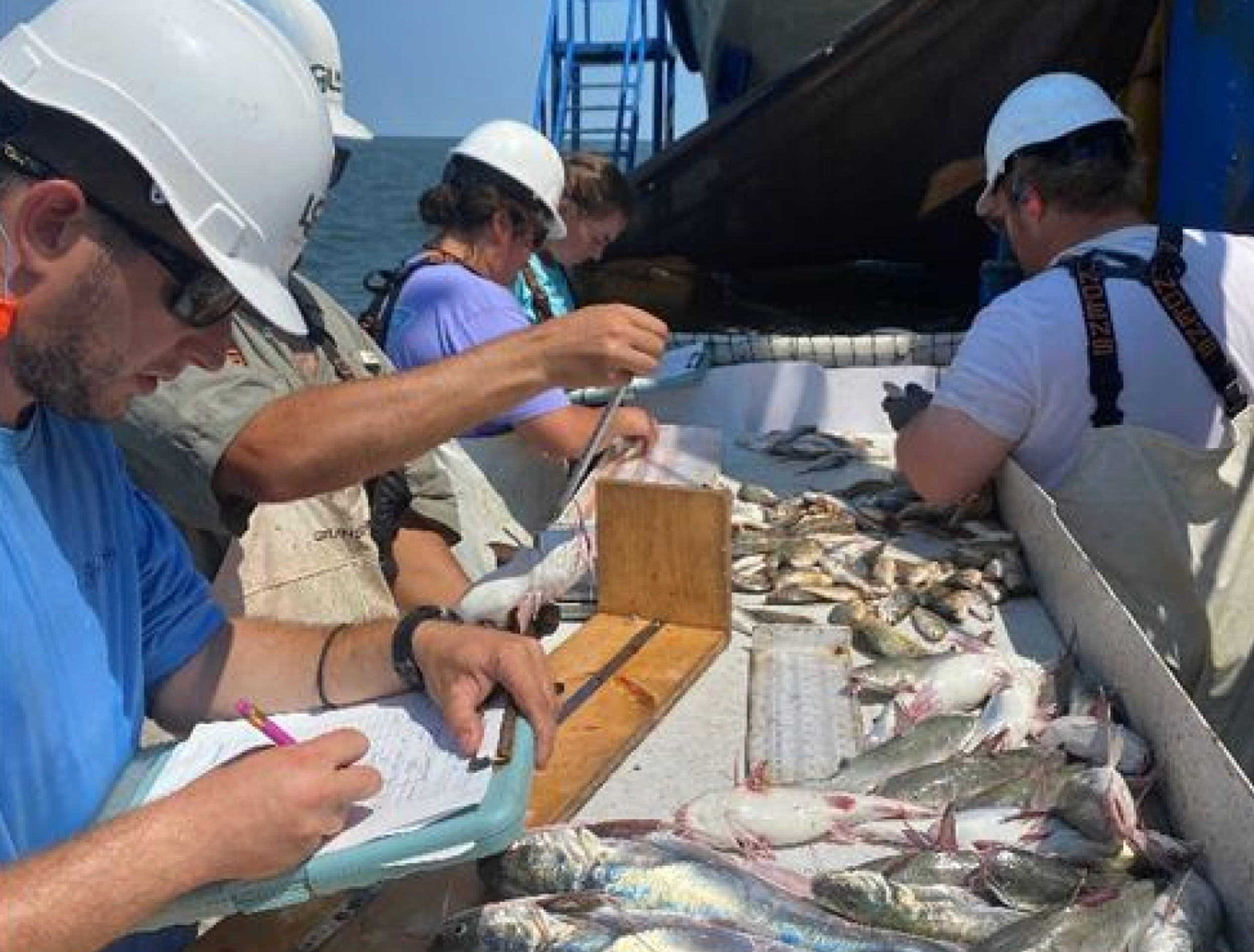
These reforms occurred in a fishery with a strong management and conservation record. Louisiana recently conducted a bycatch study, funded through a $1 million legislative appropriation and administered by the Gulf States Marine Fisheries Commission, using onboard observers and electronic monitoring to evaluate 418 purse-seine sets, 3.2 percent of Louisiana’s total 2024 menhaden fishing effort. The results did not support widely circulated claims that menhaden fishing is an unchecked driver of sportfish mortality. Total bycatch was estimated at roughly 3.6 percent by weight, below Louisiana’s 5 percent cap, and red drum mortality from the fishery was a small share of overall red drum removals. This demonstrates that any further reforms should be proportional, targeted, and grounded in data rather than anecdotes or worst-case assumptions.

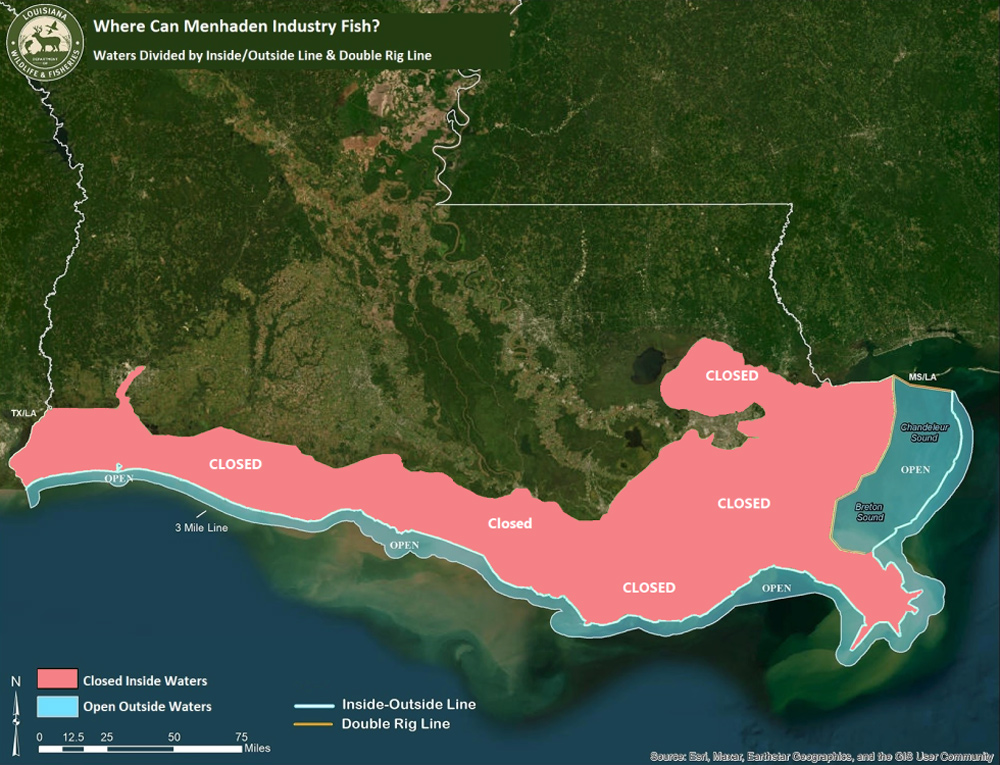
That is why the Legislature acted prudently in declining to advance HB 855, which would have required the fleet to only fish in waters deeper than 22 feet. Supporters framed it as a bycatch solution, but it would have removed miles and miles of available fishing grounds that sustain the fishery. Landings records show that roughly 85 percent of menhaden landings occur in the zone the bill would have restricted. This structural disruption would have threatened jobs and the established fishing practices in Louisiana’s coastal communities.

The stakes are real. Louisiana’s Gulf menhaden industry supports more than 2,000 jobs, generates more than $419 million in annual economic impact, purchases tens of millions of dollars in goods and services across dozens of parishes, and supports dock workers, plant employees, welders, mechanics, truck drivers, fuel suppliers, vessel-service businesses, and coastal small businesses. No responsible policymaker should dismiss those livelihoods as collateral damage.

Policymakers also shouldn’t ignore the broader management context. Louisiana has already adopted significant nearshore protections, including coastal buffer zones and additional protections in sensitive and high-priority areas. The question before lawmakers was whether to pair those protections with practical oversight tools or to impose a sweeping depth restriction that would have displaced most of the fishery’s historic landings.

The scientific claim behind the depth restriction was also far less settled than some advocates suggested. As discussed during the session, pushing boats incrementally farther from shore did not show a consistent bycatch reduction. A major reduction appeared only at the 22-foot threshold, the same point at which the fleet would lose access to most of its traditional landings area. Louisiana’s Legislature weighed that tradeoff honestly and chose balance.

The menhaden fishery is sustainable, heavily scrutinized, and economically important. Gulf menhaden are not overfished and are not experiencing overfishing. That’s why the fishery was recently recertified as sustainable by the Marine Stewardship Council.

This legislative session demonstrated what is possible when the people closest to the work engage legislators and follow the science to advance reasonable oversight measures that retain valued jobs and livelihoods.

Thanks for signing up!

Louisiana's Menhaden Industry

The truth about Louisiana’s commercial menhaden fishing industry.

Why Louisiana’s Menhaden Industry Matters

Louisiana’s Gulf menhaden industry has been a cornerstone of our coastal economy since just after World War II. Known locally as "pogie," these small, silvery fish are obligate filter feeders. Processed into fish oil and fishmeal, menhaden support everything from Omega-3 dietary supplements that reduce heart disease risk to pet food, animal feed and aquaculture.

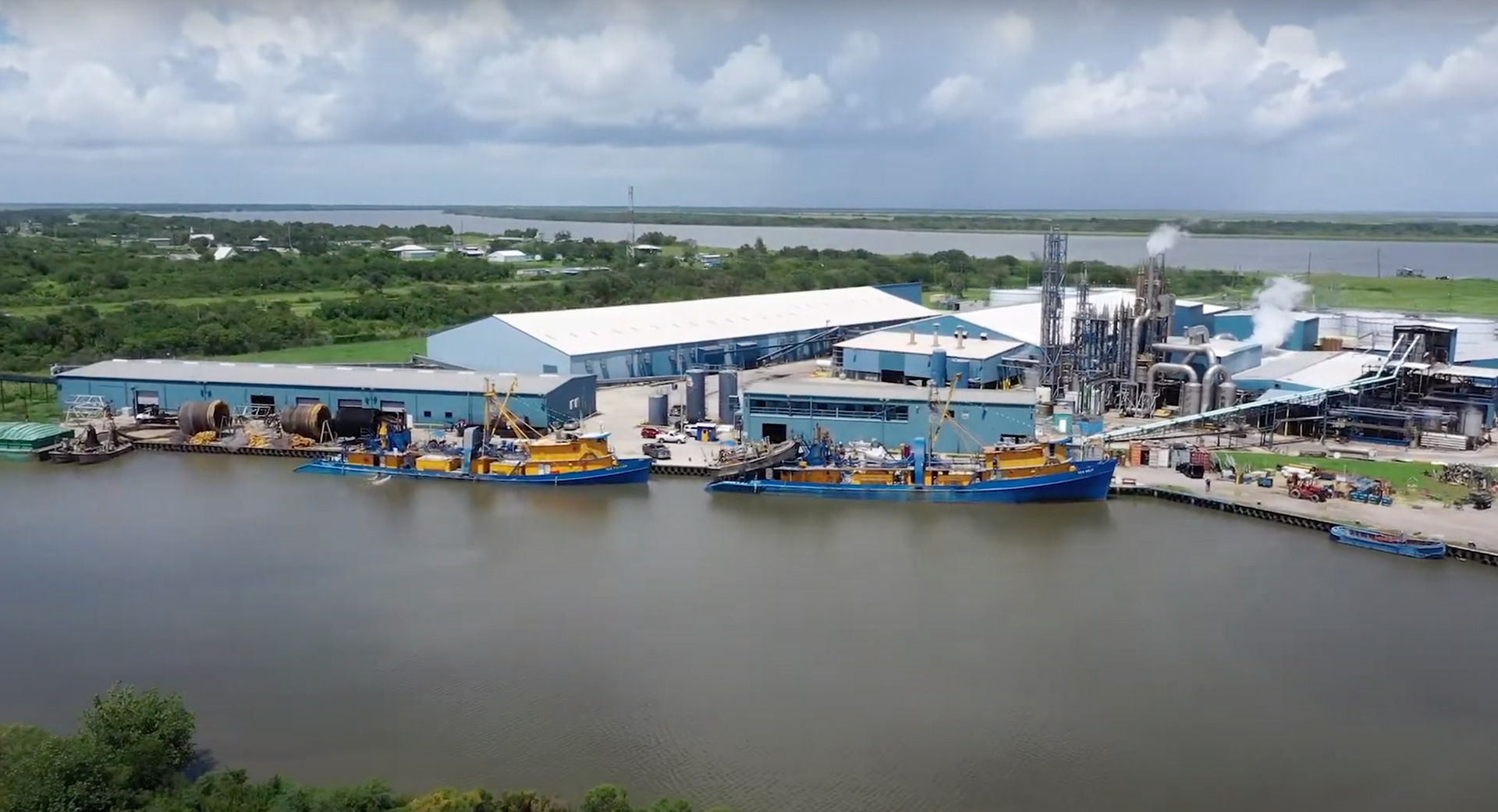
With 27 vessels and two Louisiana processing plants, the Gulf menhaden fishery generates hundreds of millions in economic output, sustains thousands of good-paying jobs, and remains vital to the strength of rural communities along Louisiana's coast.

But this vital industry faces a serious threat – driven by a growing conflict with recreational and charter fishing interests over who has access to Louisiana’s coastal waters.

Instead of relying on science-based resource management, opponents of Louisiana's menhaden industry are using arbitrary regulations rooted in politics, not facts, despite the fishery already being the state's most regulated commercial fishery and certified sustainable.

What's at Stake for Louisiana

Louisiana’s menhaden industry supports more than 2,000 jobs, drives $419 million in annual economic impact, and generates $25 million in state and local tax revenue. The industry also purchases $62 million in goods and services from Louisiana businesses across 32 parishes. From catching to processing to packaging, Louisiana families depend on this fishery for their livelihoods.

Click here to see an economic study funded by the Science Center for Marine Fisheries, National Science Foundation.

At issue: A powerful out-of-state special interest group, aligned with segments of Louisiana's recreational and charter fishing sectors, is waging a misinformation campaign to push the state’s menhaden industry farther offshore — threatening its very survival and the jobs that will disappear with it. With no credible science to stand on, this group has falsely blamed commercial menhaden harvests for declines in prized game fish like red drum. The facts tell a different story.

This fight isn’t about conservation — it’s about control of Louisiana’s coastal waters. These false narratives put at risk good-paying Louisiana jobs, the future of working waterfront communities, and one of the most sustainable fisheries on the planet.


It’s time to set the record straight.

Who’s Really Catching Louisiana's Red Drum?

Science is clear: Louisiana’s menhaden industry accounts for just 3.4% of red drum removals, while recreational fishermen take 96.6%.

Click here to see the results of State of Louisiana's $1 million bycatch study.

Percentage of Louisiana’s Red Drum Caught

Menhaden Fleet
Recreational Fishermen
Independent Science: $1 million state-funded bycatch study conducted by highly respected LGL Ecological Research Associates, administered by Gulf States Marine Fisheries Commission.
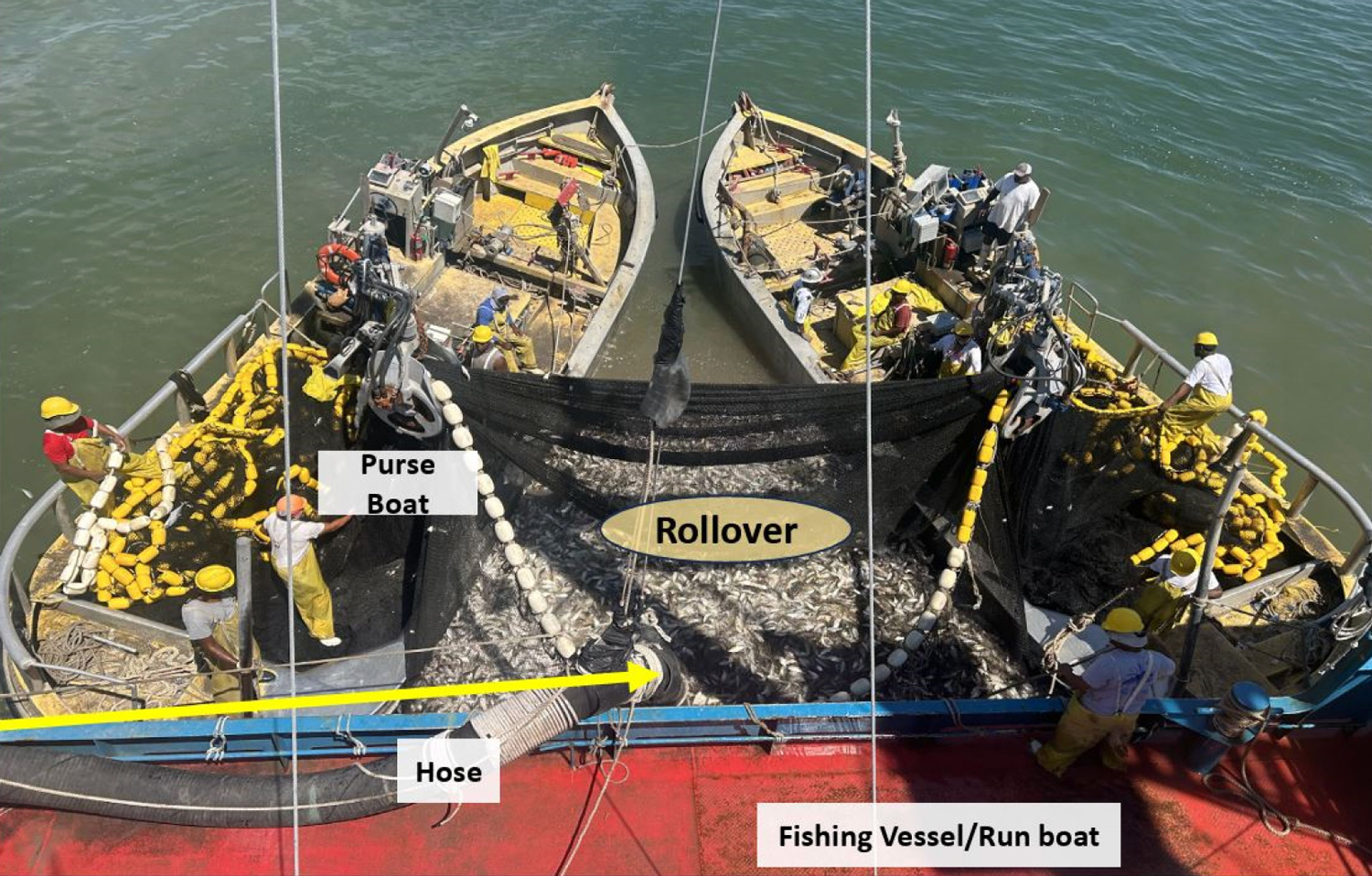
Proven Survival: 84% of red drum rolled out of nets survive.
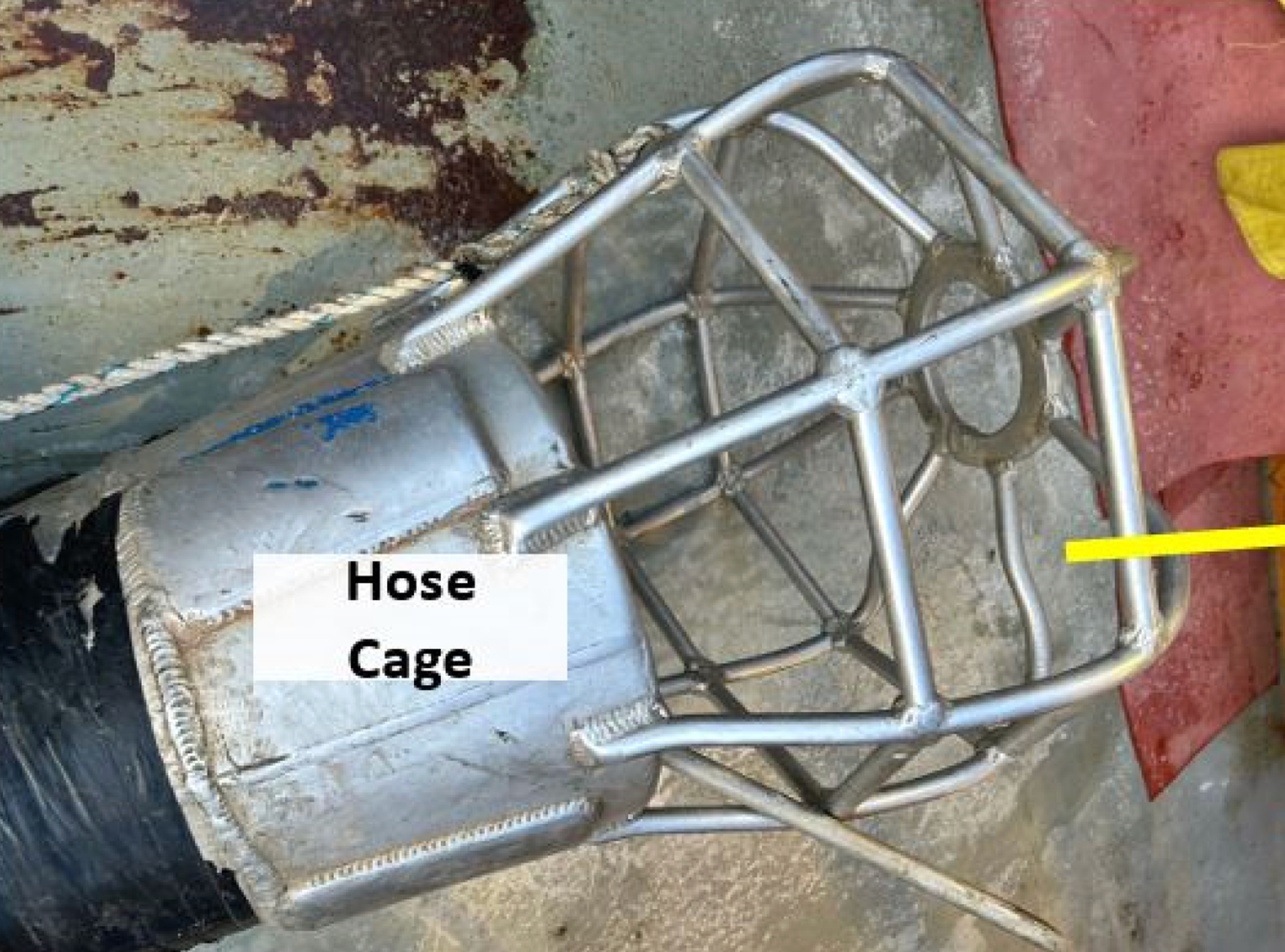
Verified Innovation: New hose-end cage technology reduces red drum mortality by 24%.
The Facts: Just 27 Gulf menhaden vessels vs. 407,000 licensed saltwater fishermen (LDWF stats 2023-24)

Despite claims from advocacy groups, the science is clear: Louisiana’s menhaden industry is NOT driving red drum declines. A landmark, $1 million state-funded bycatch study found the menhaden industry accounts for just 3.4% of red drum removals, while recreational fishermen are responsible for 96.6%. This finding confirms that the menhaden fishery is fully compliant with Louisiana Law, which limits the industry's total bycatch to no more than 5%.

Meanwhile, the Louisiana Wildlife and Fisheries Commission has implemented catch limits on red drum because the species is experiencing overfishing. Of note, there were 407,000 licensed saltwater fishermen on Louisiana’s coastal waters in 2023-24 according to the Louisiana Department of Wildlife and Fisheries.

The menhaden industry is committed to being part of the solution and is leading with action. In partnership with scientists, it has invested in innovative hose-end cage technology that reduces red drum mortality by 24%. Furthermore, the bycatch study shows that 84% of red drum caught are safely released by being rolled out of the net, dispelling assumptions that they all died.

Through gear improvements, careful handling practices, and ongoing collaboration with fisheries experts, the menhaden industry continues to pioneer practical, science-based measures to minimize bycatch and protect Louisiana’s marine ecosystem—proving that innovation and conservation can go hand in hand.

Context Matters — Don't Let Big Numbers in the Bycatch Study Mislead You

Click the card below to get the full story.

Bycatch Report Finding

Menhaden Industry catches 22,000
Red Drum

What You Need to Know

That’s only 3.4% of red drum removals. State law limits it to 5%.

Bycatch Report Finding

Menhaden Industry catches 240,000 Speckled Trout

What You Need to Know

That’s just 2.7% of total speckled trout by weight.
Recreational catch 2.8 million trout.

Bycatch Report Finding

Menhaden Industry catches 80 million Croaker

What You Need to Know

Species is abundant, showing no signs of unsustainable declines.

Bycatch Report Finding

Menhaden Industry catches 24 million
Sand Trout

What You Need to Know

That’s less than 1% of annual landings.

Sportfish Don’t Depend on Menhaden

Groundbreaking Research: A University of Southern Mississippi study released in July 2025 shows Gulf predator diets are diverse, opportunistic, and resilient — and that menhaden are not a primary food source, dispelling a long-held misconception.

“We looked at some 30-plus predator species, many of them exceptionally well-studied. We did not find any single species where we would say Gulf menhaden was the most important fish in their diet.”

Dr. Robert Leaf, one of the authors of the study and Director of the School of Ocean Science and Engineering at the University of Southern Mississippi.

The Big Takeaway

For years, critics claimed Gulf sportfish like red drum and spotted seatrout depended on menhaden — justifying tighter harvest limits. This new study examined more than 30 predator species with decades of stomach content data and cutting-edge stable isotope analysis, and tells a different story: no predator relies on menhaden as its primary food source. Diets are diverse and opportunistic, with crabs, shrimp, anchovies, and croaker often playing a larger role. This science dismantles the “keystone prey” argument and shows that the Gulf food web is complex, resilient, and thriving — regulations should reflect facts, not outdated, unsubstantiated talking points.

Investments in Technology, Not Buffer Zones, Deliver Sustainability

Louisiana’s menhaden industry is proving that smart investments deliver real conservation results. By working with scientists and global net manufacturers, the industry has pioneered cutting-edge fishing technology that reduces fish spills, protects marine life, and ensures long-term sustainability. This commitment to innovation is safeguarding both our Gulf ecosystem and the livelihoods of thousands of coastal workers.

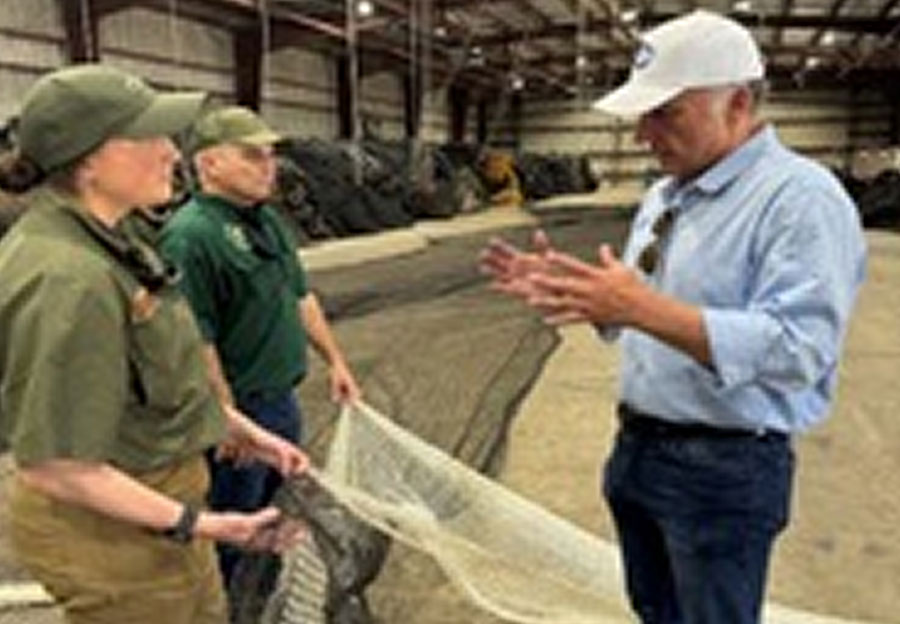
LDWF Sec. Madison Sheahan inspecting new nets.

Proven Track Record: Across 65,000 sets (2019-2023), traditional nylon nets saw only a 0.067% tear rate.

Industry-Wide Investment: Since 2023, Louisiana's menhaden fleet has invested $6.5 million in next-generation Spectra/Plateena nets.

Stronger Nets, Zero Spills: Spectra/Plateena nets are 10x stronger than nylon. After 15,000 fishing sets (through 2024), there have been zero net tears.

The Takeaway: Investment in innovation— not buffer zones — is what truly reduces spills and strengthens sustainability.

Since implementing new nets in 2024, the results speak for themselves.

65,000

Fishing Sets (2019-2023)
using traditional nylon nets

44

Net Tears
Incident rate: 0.067%

15,000

Fishing Sets (through 2024)
using next-generation Spectra/Plateena nets

0

Net Tears
100% Tear-Free Performance

The menhaden fleet’s investment in advanced Spectra/Plateena nets eliminated net tears — proving innovation, not regulation,
drives sustainability.

American Jobs, American Values

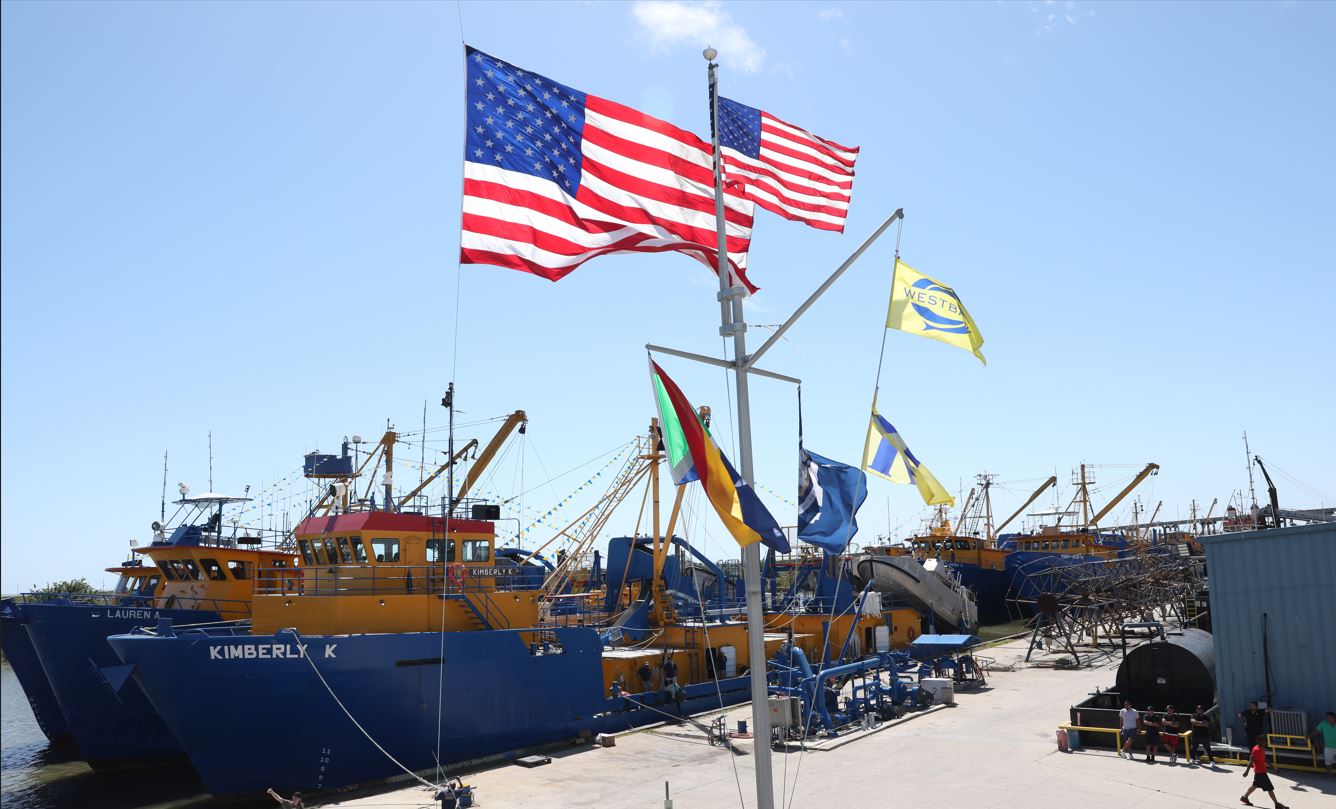
Louisiana's menhaden industry is powered by two companies – Westbank Fishing out of Empire, LA (Plaquemines Parish) and Ocean Harvesters out of Abbeville, LA (Vermilion Parish). Contrary to misinformation that has spread, both these companies are U.S.-based, U.S.-owned, and are totally controlled by U.S. citizens.

Together with the two processing companies (Daybrook Fisheries and Omega Protein), they support over 2,000 direct and indirect jobs in coastal communities, while also purchasing more than $62 million in goods and services from businesses across 32 Louisiana parishes.

From shipyards and fuel suppliers to feed mills and local contractors, the fishery drives economic activity far beyond Plaquemines and Vermilion parishes, showing how American jobs and American values can support families and strengthen communities across the state.

The fish and fish oil products they produce are essential ingredients in U.S. pet food, livestock and aquaculture feed, and nutritional supplements — helping feed families and fuel American industries—and it is vital that Louisiana continue to play a central role in feeding and supplying the nation.

2,000+ Louisiana Jobs

800 direct jobs, 1,200 indirect jobs

$419M

Economic output

Louisiana's Menhaden Industry Economic Impact
Extends Beyond the Coast

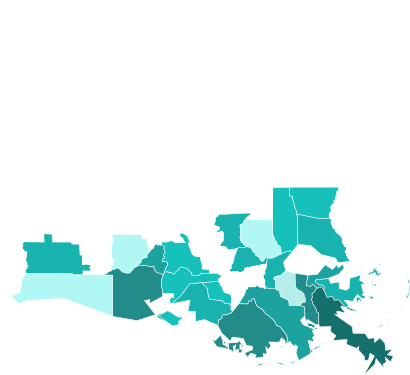
Goods and Services Purchased by Industry

$6,000,0000 - $11,358,350
$1,000,000 - $5,999,999
$400,000 - $999,999
$1.00 - $399,999
Non-Impacted Area
Major Economic Driver: $62M spent with Louisiana vendors across 32 parishes in 2024 (see map and chart)
Strong Tax Contributor: $25M in state & local taxes annually

Louisiana Menhaden Products Feed Farms, Families & Futures:

  • Fishmeal: A protein-rich ingredient for aquaculture, poultry, and livestock feed.
  • Fish oil: High in omega-3s, used in animal feed, pet food, and human supplements.
  • Stickwater: A nutrient-dense liquid turned into fertilizer or returned to enhance fishmeal.
Trusted by Industry Leaders: Supplying major U.S. brands: Nestlé Purina, Blue Buffalo, Mars, Cargill

Louisiana's Menhaden Products Feed America

Fish Oil & Fishmeal

Pet Food

Animal Feed

Aquaculture

Cost of the Buffer Zone

Doubling the menhaden buffer zone cut off productive waters — harming families and rural economies.

In 2024, Louisiana doubled the menhaden fishing buffer zone — despite no scientific evidence that the existing limits harmed red drum or other sportfish. The result? Lost harvest, lost income, and lost opportunities for working families. This was a political concession, not a conservation necessity.

Timeline of Buffer Zone Restrictions & Impacts on Menhaden Harvests

pre-2021

Shrimp Inside/Outside Line & Double Rig Line
had been long-time established coastal boundary for Louisiana's commercial fishing industries

2021

LWFC expands boundary with additional
1/4-mile buffer zone → 5% harvest loss

2024

LWFC expands again with
1/2-mile buffer zone → additional 20% harvest loss

Total: 25% reduction in two years

100%
Harvest

Pre-2021
(Shrimp Inside/Outside & Double Rig Line )

95%
Harvest

2021
(1/4-mile Buffer Zone)

75%
Harvest

2024
(1/2-mile Buffer Zone)

The Cost of Politics Over Science
In 2021, the Louisiana Wildlife and Fisheries Commission (LWFC) imposed a quarter-mile buffer zone from the established Inside/Outside Line and Double Rig Line — already a significant distance offshore. Though modest in appearance, this buffer zone extension reduced menhaden landings by 5%.

But in 2024, the LWFC doubled the buffer to a half-mile. This decision was not based on ecological need, but on political pressure. The result: another 20% decline in landings.

A 25% reduction in Louisiana’s menhaden harvest is unsustainable.

Real Impacts on Coastal Communities
These are not abstract numbers. Every lost percentage point means lower paychecks for boat crews, welders, net makers, processors, and the coastal businesses that depend on steady landings.

In places like Plaquemines and Vermilion Parishes, where fishing is one of the few reliable paths to a living wage, these cuts ripple outward — hitting schools, churches, and small businesses just as hard as they hit boats.

More restrictions don’t protect fish — they punish hardworking Louisiana workers and their families. Our working coast deserves policies based on facts, not politics.

Fair Rules for All on the Water
Science-based resource management only works if all fishing sectors are held accountable. Louisiana's menhaden fleets rigorously report every catch, adhere to bycatch limits, and follow state oversight. Meanwhile, recreational practices like bowfishing are largely unregulated, leaving large gaps in data. Louisiana’s working families bear the consequences when rules aren’t applied evenly.

Louisiana can have thriving sportfish, a sustainable menhaden fishery, and strong coastal communities — all at once. Politics shouldn’t push working families off the map. The industry is sustainable, bycatch is minimal, and the ecosystem remains healthy. It’s time to restore fairness, reverse the 1/2-mile expansion, and move forward together.

Recreational / Charter
Menhaden Industry
407,000 saltwater fishing licenses issued
(LDWF 2023–24)
Data gaps make its true impact hard to measure
Reporting and regulatory oversight are challenging at this scale

407,000 untracked saltwater fishermen vs. 27 regulated vessels
— fairness requires consistent accountability.

Depth Restrictions – Enormous Sacrifice, Small Result

Science is clear: depth restrictions would destroy Louisiana’s menhaden industry without helping red drum.

Shutting Down a Fishery for Almost No Benefit

Only 25%

Nearly 80%

Red Drum Bycatch Reduction

Menhaden Harvest Lost

To cut red drum bycatch by just 25%, the industry would lose nearly 80% of its menhaden catch.

The Louisiana menhaden industry asked the same scientists who led the State’s $1 million bycatch study to analyze depth restrictions. They found that cutting incidental red drum bycatch by just 25% — from 22,000 to 16,500 fish — would force Louisiana to give up nearly 80% of its menhaden harvest. That’s not science-based resource management. That’s a shutdown.

The Truth About Depth Restrictions

Not backed by science
Would eliminate Louisiana’s menhaden industry
Would devastate coastal jobs and communities

Why Louisiana’s Menhaden Industry Matters

Why It Matters

Sustainable fisheries, healthy sportfish,
and thriving coastal communities.

Louisiana can have it all — a sustainable menhaden fishery, healthy sportfish, and thriving coastal communities. Louisiana's menhaden industry is sustainable and committed to innovation, bycatch is minimal, and the ecosystem remains healthy. Politics shouldn’t push Louisiana's menhaden industry off the map.

Louisiana cannot afford to jeopardize one of its most sustainable and economically vital industries on the basis of perception rather than evidence.

For the thousands of Louisiana workers, families, and communities who depend on this fishery, the stakes could not be higher. Menhaden has always been a resource that feeds people, pets, and economies. With the right policies in place, it can continue to do so for generations to come.

It’s time to restore fairness — reconsider the half-mile coastal buffer zone expansion, and move Louisiana's coastal fishing industries forward before it's too late.